
- GNSS Antennas・Accessories
Model
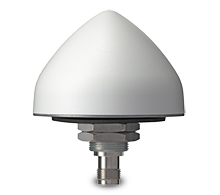
AU-217
- Old Products
Ideal for use in difficult site enviorments including urban areas, weather and RF interference areas
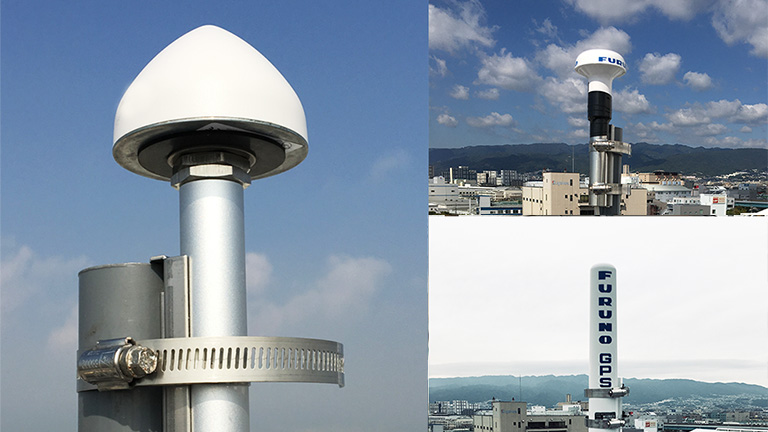
The AU series is a GPS/GNSS antenna for Timing that is intended for installation on buildings. The AU-217 has excellent weather and interference resistance, and has the capability to filter radio waves that adversely affect the GNSS receiver (such as radio waves for broadcasting and satellite communications). The AU-217 is multi-constellation compatible and can receive signals including GPS (USA), GLONASS (Russia), Galileo (Europe) and QZSS (Japan). When combined with a GNSS receiver that supports these satellite constellations, it is also suitable for use in urban areas with poor sky visibility.
>New Products: Dual/Single-band GNSS Antennas AU-500/300 deliver both high stability and high robustness
- GNSS (Timing, Automotive/Industrial)
Features
Supports longer antenna cable lengths
High 40dB gain and wide range of power voltages from 2.5 to 16 VDC
IP67 compliant waterproof and dustproof
Standard TNC Connection
Easy installation with an optional antenna mounting bracket
Developed specifically for GPS/GNSS Timing applications
Timing GNSS receiver module: GT-87/GT-88
GNSS Disciplined Oscillator: GF-87 series/GF-88 series
Specifications
General
1575 MHz to 1606 MHz
R. H. C. P. (Right Hand Circular Polarization)
>= 4.25dBi (at 90° elev.angle)
>= -3dBi (at 10° elev.angle)
50 Ω
40±2dB
2.5 dB (Typ)
<1.5:1 (@LNA output)
2.5 to 16 VDC nominal
20 mA max (85°C)
-40°C to +85°C
-40°C to +85°C
< 97%RH
IP67
150 g
TNC(J)
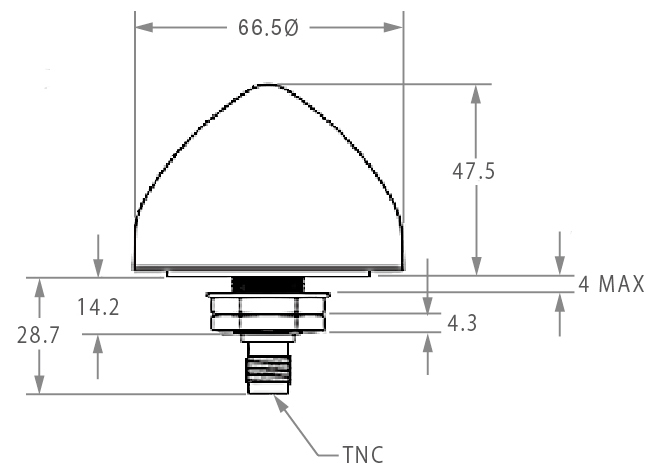
Drawing
Three essential points when installing a GNSS antenna
When installing a GNSS antenna, components such as the coaxial cables and amplifiers should be selected to satisfy the antenna specifications of the GNSS receiver. It is also necessary to consider the propagation delay between the antenna and the receiver.
In the following document, we explain how to calculate the required specification values with concrete examples from the viewpoint of a GNSS receiver manufacturers.
- Total gain
- Total NF
- ropagation delay in coaxial cables
It is especially useful for those who are new to GNSS receivers. We have prepared an Excel tool for calculating "Total Gain" and "Total NF" due to their complex formulas.
Please fill in the form to download the document and calculation tool.
Downloads
| Name | Last update |
|---|---|
| Aug 24, 2022 |
| Name | Remarks |
|---|---|
|
Download Form |
Inquiries about GNSS Products
- Specifications subject to change without notice.
GNSS Antennas・Accessories Product List
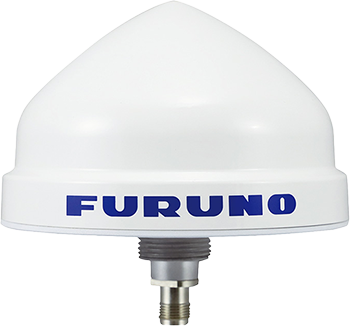
Model
AU-500/AU-300
Model
GPA-014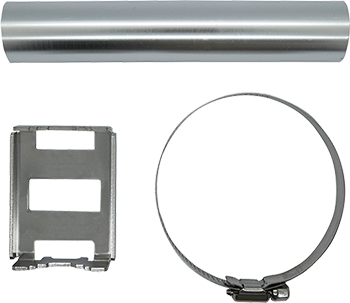
Model
AFB-01/AFB-02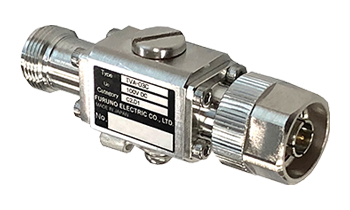
Model
TVA-03C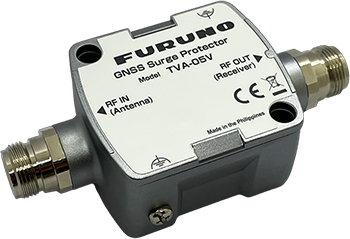
Model
TVA-05V
Model
AU-18
Model
AU-15