
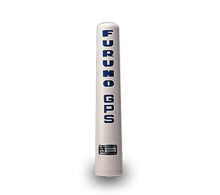
- GNSS Antennas・Accessories
Model GPA-014
Ideal for use in location with frequent/heavy snowfalls
The GPA series is a GPS/GNSS antenna for Timing that is intended for installation on buildings.
GPA-014B is designed to withstand harsh outdoor environments including rain, wind, sunlight and temperature changes, and is also equipped with a radome that prevents signal attenuation due to snow accumulation.
>New Products: Dual/Single-band GNSS Antennas AU-500/300 deliver both high stability and high robustness
- GNSS (Timing, Automotive/Industrial)
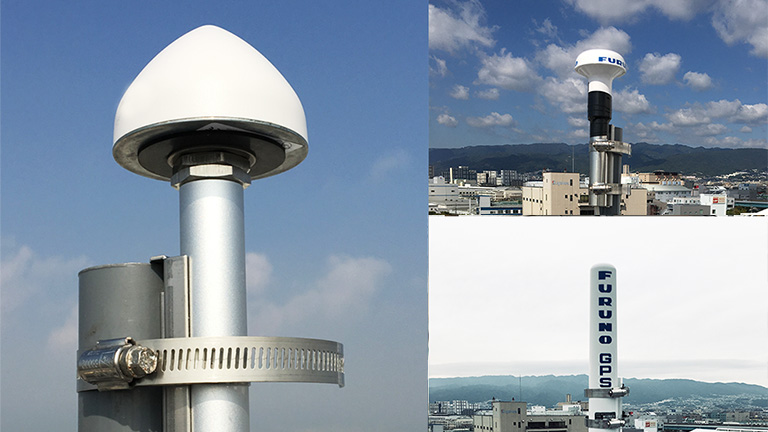
Features
GPS antenna for snowy areas
Standard BNC Connection
Water resistant equivalent to JIS C 0920 IP-X6
Easy installation with optional use of antenna mounting bracket
Recommended Timing GPS
Timing GNSS receiver module: GT-8777
Specifications
General
1575.42MHz±1.023MHz
R. H. C. P. (Right Hand Circular
Polarization)
>= 0dBi (at 90° elev. angle)
>= -10dBi (at 5° elev. angle)
50Ω
32±3dB
<= 2.1dB
<= 2.0
4 to 13VDC
25mA(Typ) to 30mA(MAX)
-30°C to +80°C
-40°C to +85°C
Equivalent to JIS A 1415 WS
Equivalent to JIS C 0920 IP-X6
Equivalent to JIS Z 2371
Ideal for use in location with frequent/heavy snowfalls
270 g
BNC-J
Drawing

Three essential points when installing a GNSS antenna
When installing a GNSS antenna, components such as the coaxial cables and amplifiers should be selected to satisfy the antenna specifications of the GNSS receiver. It is also necessary to consider the propagation delay between the antenna and the receiver.
In the following document, we explain how to calculate the required specification values with concrete examples from the viewpoint of a GNSS receiver manufacturers.
- Total gain
- Total NF
- ropagation delay in coaxial cables
It is especially useful for those who are new to GNSS receivers. We have prepared an Excel tool for calculating "Total Gain" and "Total NF" due to their complex formulas.
Please fill in the form to download the document and calculation tool.
Downloads
| Name | Last update |
|---|---|
| Oct 15, 2021 |
| Name | Remarks |
|---|---|
|
Download Form |
Inquiries about GNSS Products
- Specifications subject to change without notice.
GNSS Antennas・Accessories Product List
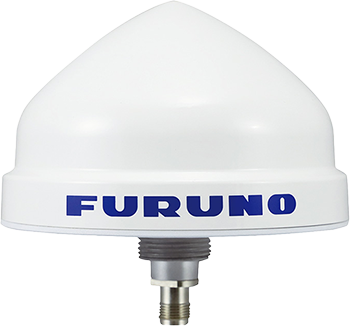
Model
AU-500/AU-300
Model
GPA-014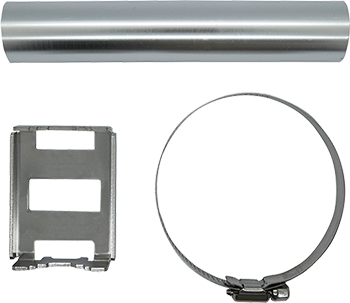
Model
AFB-01/AFB-02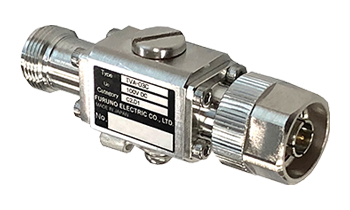
Model
TVA-03C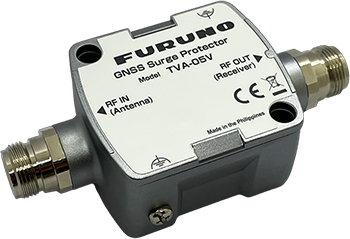
Model
TVA-05V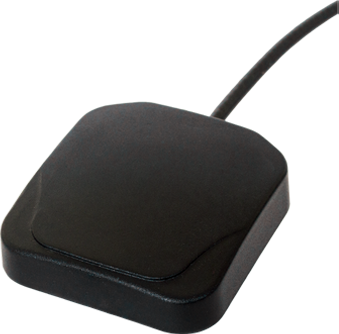
Model
AU-18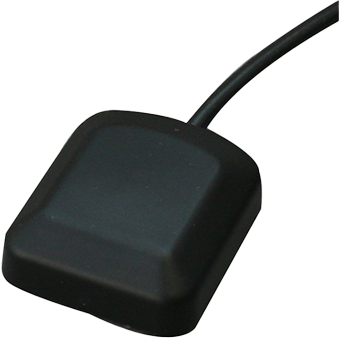
Model
AU-15