
- GNSS for Time Sync
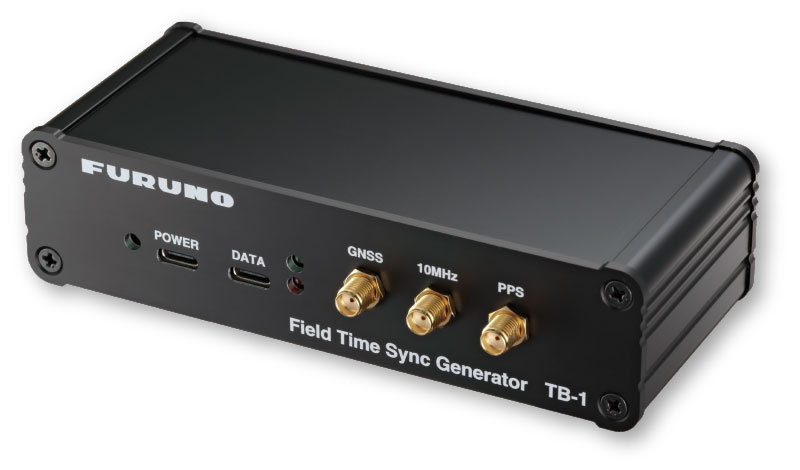
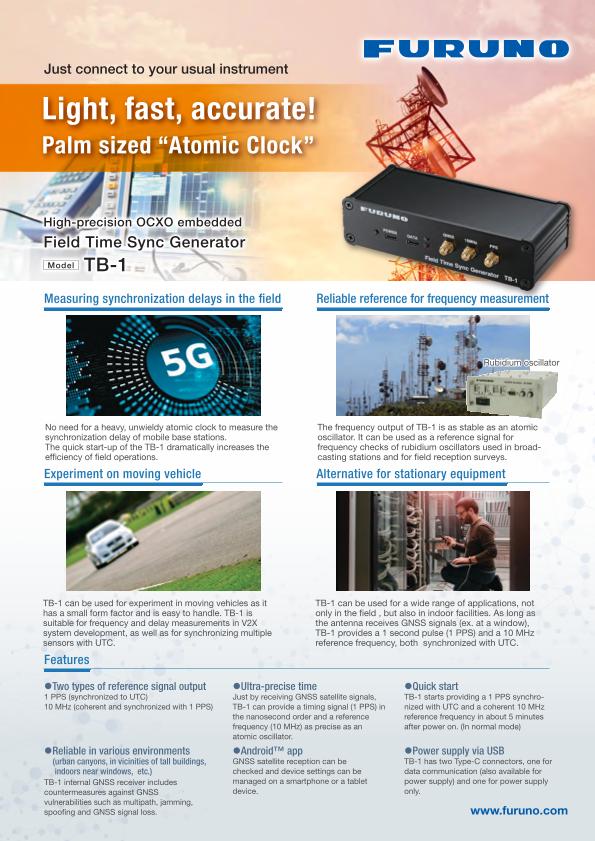
Field Time Sync Generator
Model TB-1
Just connect to your usual instrument.
Light, fast, accurate! Palm sized “Atomic Clock”
Light, fast, accurate! Palm sized “Atomic Clock”
With an embedded high precision OCXO, TB-1 is designed as a portable GNSS reference signal generator for RF system maintenance and R&D in the field.
It provides a 1 pulse per second (1PPS) and a 10MHz reference frequency, both synchronized with UTC, which can be used in digital broadcast, 5G and V2X system field testing for time synchronization and frequency measurement purposes.
- GNSS (Timing, Automotive/Industrial)
Features
Fields of application

Measuring synchronization delays in the field
No need for a heavy, unwieldy atomic clock to measure the synchronization delay of mobile base stations.
The quick start-up of the TB-1 dramatically increases the efficiency of field operations.
Reliable reference for frequency measurement
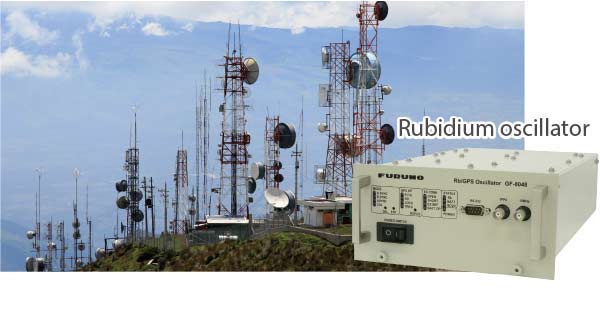
The frequency output of TB-1 is as stable as an atomic oscillator. It can be used as a reference signal for frequency checks of rubidium oscillators used in broadcasting stations and for field reception surveys.

Experiment on moving vehicle
TB-1 can be used for experiment in moving vehicles as it has a small form factor and is easy to handle. TB-1 is suitable for frequency and delay measurements in V2X system development, as well as for synchronizing multiple sensors with UTC.

Alternative for stationary equipment
TB-1 can be used for a wide range of applications, not only in the field , but also in indoor facilities. As long as the antenna receives GNSS signals (ex. at a window), TB-1 provides a 1 second pulse (1 PPS) and a 10 MHz reference frequency, both synchronized with UTC.
Two types of reference signal output
1 PPS (synchronized to UTC)
10 MHz (coherent and synchronized with 1 PPS)
Ultra-precise time
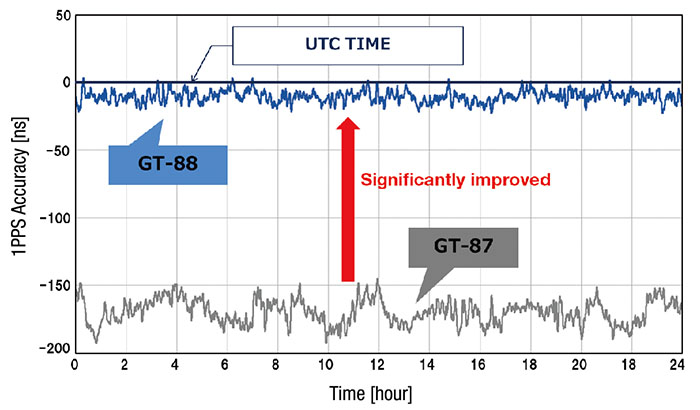
Just by receiving GNSS satellite signals, TB-1 can provide a timing signal (1 PPS) in the nanosecond order and a reference frequency (10 MHz) as precise as an atomic oscillator.
Quick start
TB-1 starts providing a 1 PPS synchronized with UTC and a coherent 10 MHz reference frequency in about 5 minutes after power on. (In normal mode)
Reliable in various environments (urban canyons, in vicinities of tall buildings, indoors near windows, etc.)

TB-1 internal GNSS receiver includes countermeasures against GNSS vulnerabilities such as multipath, jamming, spoofing and GNSS signal loss.
1.Multipath mitigation
TB-1 internal GNSS receiver includes the Dynamic Satellite Selection™ algorithm* which minimizes deterioration of time synchronization performance by choosing only the high quality satellite signals.
- A new satellite signal selection algorithm developed by NTT.
2.Active anti-jamming (interference wave)
If TB-1 internal GNSS receiver is subjected to jamming signals, it can mitigate their negative impact and prevent a GNSS signal loss or failure. This anti-jamming function can also help investigate the sources of jamming signals by reporting frequencies and power levels of the jamming signals.
3.Active anti-spoofing
Malicious spoofing signals intentionally mislead the position and timing calculation of GNSS receivers. Therefore TB-1 internal GNSS receiver is designed to detect and cancel such effects and protect the system from spoofing attack.
4.Holdover - Mitigation against loss of GNSS signals
In case of a GNSS signal reception interruption, due to external factors such as for example an antenna failure, TB-1 will continue to provide an accurate and stable 1PPS and 10MHz reference frequency for a holdover period of time.
- In case TB-1 GNSS receiver position calculation is interrupted, it will predict and correct the oscillator performance through its exclusive disciplining technology.
- TB-1 presents an excellent cost performance as a replacement for atomic oscillators.
Windows® / Android™ Monitor Software
TB-1 GNSS satellite reception can be checked and TB-1 settings can be managed on monitor software.
- FURUNO GNSS Conductor T2 for Windows®
- TB-1 App for Android™
Power supply via USB
TB-1 has two Type-C connectors, one for data communication (also available for power supply) and one for power supply only.
Specifications
General
On-board Oscillator
OCXO
GNSS Reception Capability
GPS L1C/A, GLONASS L1OF, Galileo E1B/E1C, QZSS L1C/A, QZSS L1S, SBAS L1C/A
Time to Lock
< 5 min
10MHz Output (Lock State)
Allan variance: < 5 × 10⁻¹¹ (@ τ = 1 s)
Long term stability (24h average): < 1 × 10⁻¹²
Output level: 6.5 dBm sine-wave
Impedance: 50 Ω
1PPS Output (Lock State)
Accuracy: < 40 ns
Stability: < 4.5 ns (1σ), Compliant with PRTC-A / PRTC-B
Output Level: 3.3 V (LVCMOS)
UTC Synchronization Edge: Rising (default. Software configurable)
1PPS Output (Holdover)
Long term: < ±1.5 μs/2h, < ±50 μs/24h
Short term: < ±3 μs/1h (typ)
Power supply
Port: DATA USB
Power, Electric current: DC 5 V, 2 A
Antenna terminal with superimposed DC voltage: 3.3 V
Operating Temperature
-40 °C to 85 °C
Operating humidity
Max 85 %RH
Outer Size
141.0 mm × 36.0 mm × 60.0 mm (Excluding the protruding SMA connectors)
Weight
255 g approx. (TB-1 unit only)
Interfaces
GNSS Antenna: SMA
10 MHz: SMA
1 PPS: SMA
POWER USB: USB Type-C
DATA USB: USB Type-C
Communication interface
Port: DATA USB
Communication speed: Full Speed
Control and monitoring: Android™ app
LED
LOCK, ALARM, POWER
Accessories
Accessories (included in the carrying case):
TB-1 unit, active multi-GNSS patch antenna (5 m cable), USB cable (2 pcs.), and manual
*Please prepare your own AC adapter or mobile battery.
Interconnection Diagram
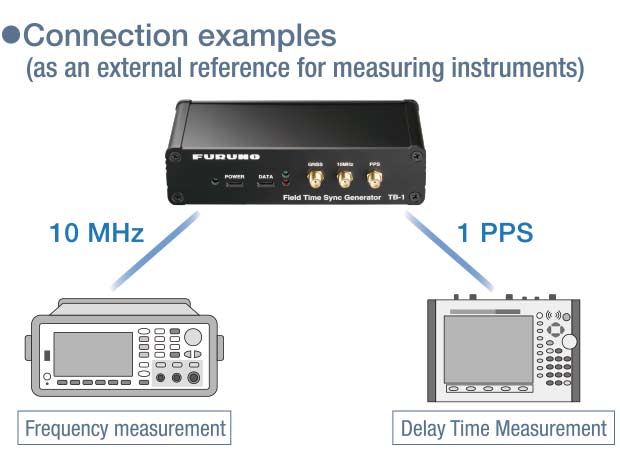
Confirmed list of compatible instruments (Examples)
Anritsu
MF2412C
MP2110A
MP2100B
Keysight
Infiniium
Infiniium
9000 series
90000A series
53200 series
S series
33210A
Trueform series
Rohde&Schwarz
RTE1000
RTO2000
RTP
Tektronix
AFG1000 series
AFG2000 series
AFG3000 series
AFG31000 series
Video of how to use TB-1
This video shows how to use Field Time Synchronization Generator "TB-1", from unpacking and setting it up to measurement.
<Measurement example>
Measuring delays of nanosecond order using TB-1 and oscilloscope.
Checking the frequency of a rubidium oscillator using TB-1 and a frequency counter.
Case study
Field test of 6G mobile base stations and mobile terminals
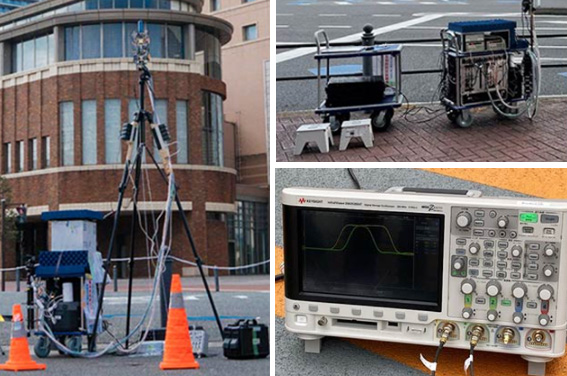
Source: Niigata University
"TB-1" to time synchronize devices (mobile base stations and mobile terminals) at two remote locations
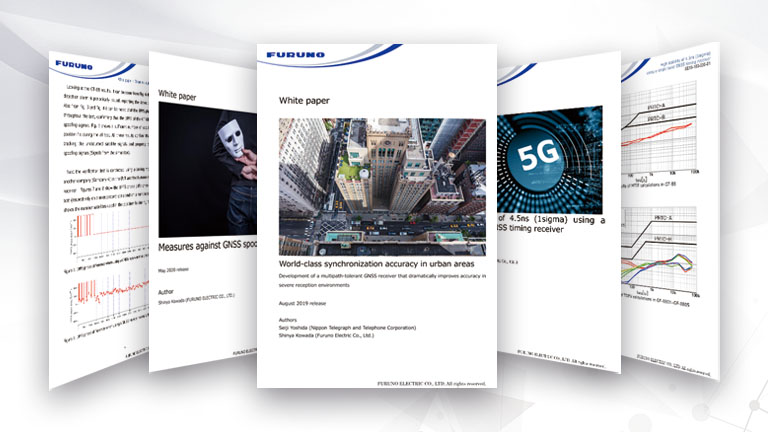
White Papers
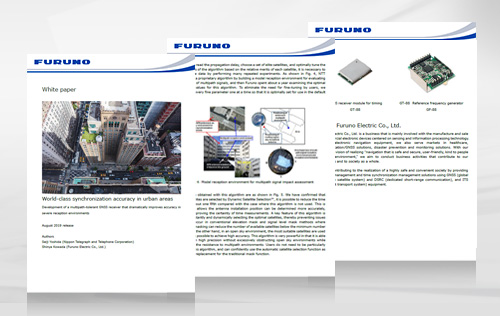
Countermeasure for GNSS receiver failure
We provide technical white papers for each of the typical failures caused by GNSS receiver. For each failures, our experts in time synchronization explain details about countermeasures on receiver side, using diagrams to show the effectiveness, and how to select products. If you are considering a GNSS receiver for the first time, please take a look.
- High stability with single band receiver
White Paper: High Stability of 4.5ns (1 sigma) using a single band GNSS timing receiver - Multipath in Urban area
White Paper: Industry-leading multipath mitigation in urban canyon environments - Jamming (interference wave)
White Paper: Measures against GNSS jamming (jamming wave) - Spoofing
White Paper: Measures against GNSS spoofing signals - Interruption of GNSS signal (holdover)
White Paper: "Holdover function" as measures against GNSS reception interruptions
Quote Request

Please fill out the quote form and our staffs will respond to you shortly.
This is a quote form only for GNSS receivers for time synchronization.
For other contents, please contact us using the respective inquiry form.
Downloads
| Name | Last update |
|---|---|
| Nov 29, 2024 | |
| Nov 29, 2024 |
| Name | Remarks |
|---|---|
|
【System requirements】 |
|
|
【How to install?】 |
| Name | Remarks |
|---|---|
|
Download Form |
|
|
Download Form |
|
|
|
|
|
Download Form |
|
|
|
Inquiries about GNSS Products
- Specifications subject to change without notice.
GNSS for Time Sync Product List
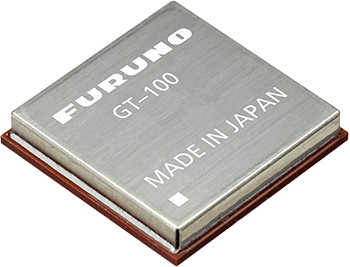
Timing Multi-GNSS Receiver Module
Model
GT-100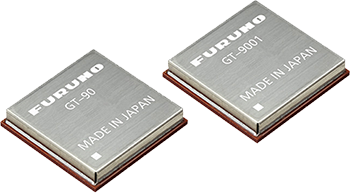
Timing Multi-GNSS Receiver Module
Model
GT-90/GT-9001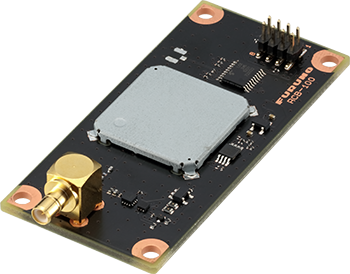
Timing Multi-GNSS Receiver Carrier Board
Model
RCB-100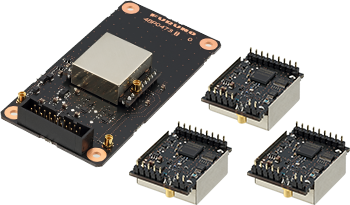
Dual-Band GNSS Disciplined Oscillator
Model
GF-102/103/104/105G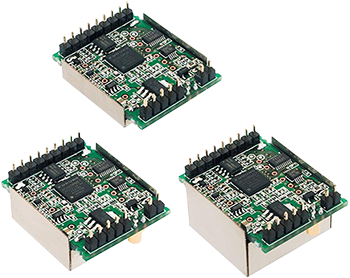
Multi-GNSS Disciplined Oscillator
Model
GF-8801/02/03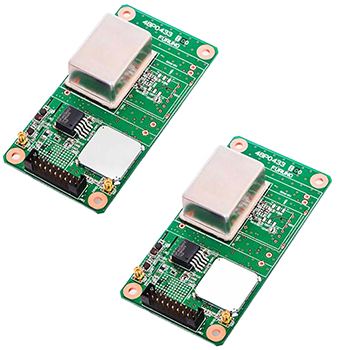
Multi-GNSS Disciplined Oscillator
Model
GF-8804/05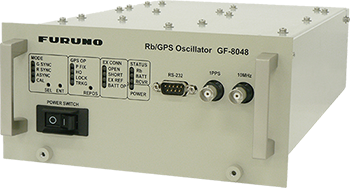
GPS Disciplined Oscillator
Model
GF-8048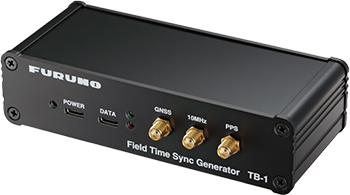
Field Time Sync Generator
Model
TB-1There are no products that meet the conditions.
GNSS for Time Sync
Timing Multi-GNSS Receiver Module GT-100
Timing Multi-GNSS Receiver Module GT-90/GT-9001
Timing Multi-GNSS Receiver Carrier Board RCB-100
Dual-Band GNSS Disciplined Oscillator GF-102/103/104/105G
Multi-GNSS Disciplined Oscillatorv GF-8801/02/03
Multi-GNSS Disciplined Oscillator GF-8804/05
GPS Disciplined Oscillator GF-8048
Field Time Sync Generator TB-1
GNSS for Automotive & Industrial