
- GNSS for Time Sync
Model
RCB-100
- NEW
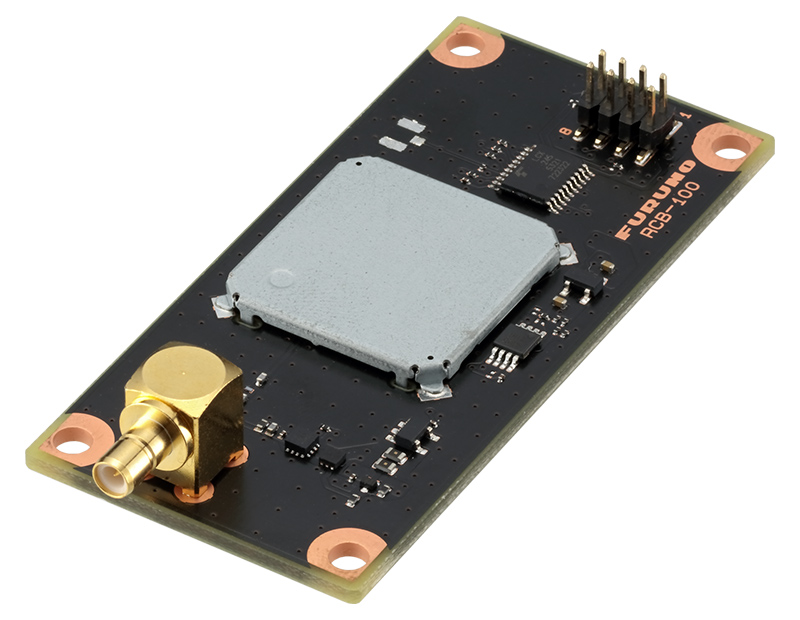
RCB-100 is an L1/L5 dual-band timing GNSS receiver carrier board for critical infrastructure equipment, featuring an industry-standard RCB form factor.
It can be integrated into equipment without dedicated RF design or PCB mounting.
* "carrier-grade" refers to the level of GNSS performance Furuno has developed for base station applications, combining highest reliability and highly accurate time synchronization with best-in-class interference resilience
* Planned launch: November 2026
- GNSS (Timing, Automotive/Industrial)
Features
Eliminating the Integration Burden with an Industry-Standard Form Factor
The higher the required performance, the greater the barrier to adoption - a common challenge for equipment manufacturers. The RCB-100 addresses this challenge through the RCB form factor.
Easy integration using only screws and mating connector
No PCB mounting processes, such as soldering or reflow, are required.
Standard SMB antenna connector
Eliminates the need for dedicated RF line design and minimizes the design effort required for the antenna system.
Designed for compatibility with existing RCB-based equipment
Reduces the evaluation and verification workload associated with introducing a GNSS receiver carrier board, contributing to faster system deployment.
Suitable for low-volume production and applications where dedicated design is not practical
Lowers the barrier to adopting GNSS time synchronization and provides greater flexibility in equipment design.
Telecommunications-Infrastructure-Level Timing Stability - Powered by the GNSS Engine Developed for the GT-100
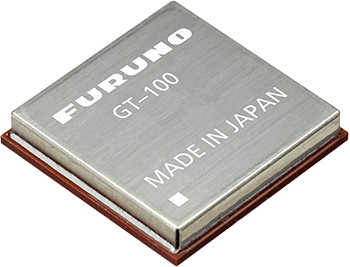
The RCB-100 incorporates the same GNSS engine as the GT-100 GNSS receiver module. It provides carrier-grade reliability, timing accuracy and stable reception through multi-GNSS support.
Compliant with ITU-T G.8272 PRTC-A/PRTC-B
Provides timing performance compliant with international standards for telecommunications network synchronization.
L1/L5 dual-band reception
Uses two frequency bands to improve reception stability and accuracy.
Multi-GNSS support
Supports GPS, GLONASS, Galileo, BeiDou, QZSS, NavIC, and SBAS, enabling the use of signals from a large number of satellites.
TAI time output
Supports International Atomic Time (TAI) output in addition to Coordinated Universal Time (UTC).
Resilience Against GNSS Threats
As GNSS time synchronization is adopted by an increasing number of systems, threats such as jamming and spoofing are becoming a growing concern. The RCB-100 inherits the robustness of a GNSS engine proven through many years of operation in base stations and telecommunications infrastructure, as well as testing under real-world conditions.
Verified through Jammertest
Performance has been verified under real-world jamming and spoofing conditions at Jammertest, a GNSS vulnerability testing event held in Andoya, Norway.
Continues time synchronization using the L5 band even when the L1 band is jammed
Fully independent L5 signal acquisition maintains the same high accuracy time synchronization performance even if one frequency band is affected by interference.
Dynamic Satellite Selection™*
Dynamically selects satellites with high signal quality to maintain high accuracy even in multipath environments.
- Multipath resistance technology based on an algorithm developed by NTT
Anti-jamming/anti-spoofing
Supports the detection and monitoring of jamming signals and the detection of spoofed signals.
OSNMA/QZNMA support
Authenticates satellite signals using Galileo OSNMA and QZSS QZNMA.
T-RAIM/Short-term Holdover
Automatically detects and excludes abnormal satellite signals and maintains time output during brief interruptions in GNSS reception.
Secure boot/secure firmware update
Protects the system against unauthorized firmware modifications.
Target Applications
The RCB-100 is designed for a broad range of applications requiring highly accurate time synchronization.
- Telecommunications base stations
- Time servers
- Data center systems
- Financial trading systems
- Power grid systems
- Broadcasting and telecommunications infrastructure equipment
Maximizing Performance with the Recommended Antenna
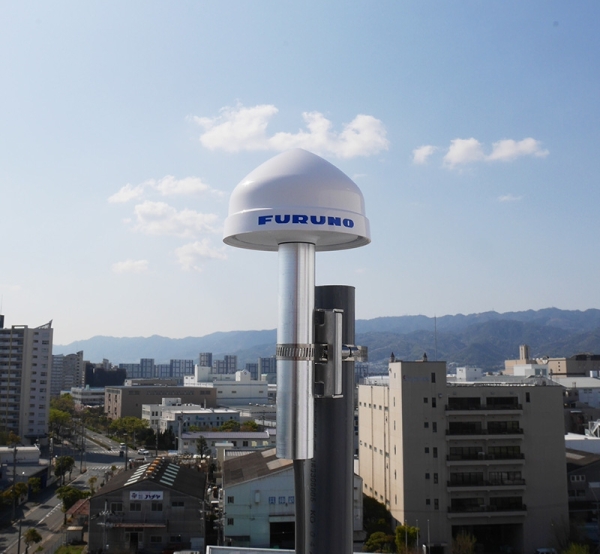
AU-500 Multi-GNSS Antenna for Time Synchronization
The AU-500 is a time synchronization antenna supporting L1/L5 dual-band GNSS reception. With high noise immunity and IP67-rated environmental resistance, it enables full use of the dual-band reception capability of the RCB-100.
Specifications
General
GPS L1C/A, GLONASS L1OF, Galileo E1B/E1C, BeiDou B1I/B1C, QZSS L1C/A, SBAS L1C/A
GPS L5, Galileo E5a, BeiDou B2a, QZSS L5, NavIC L5
62 channels
Acquisition: >= -148 dBm
Tracking: >= -163 dBm
*Measurement environment using GNSS simulator
Compliant with G.8272 PRTC-A and PRTC-B
*Compliant with TDEV (Time Deviation) /MTIE (Max Time Interval Error)
< 4.5 ns (1σ)
*Open sky
< ± 40 ns (vs UTC)
*Open sky
< ± 0.2 ns
1 MHz to 40 MHz
Hot Start: 2 sec(Typ)
Cold Start: 35 sec(Typ)
*Measurement platform with recommended active antenna
3.3 VDC
55 mA
*Tracking Satellite outdoor
-40°C to +85°C
Short and Open Detection
67.25 mm × 31.75 mm
PFEC (NMEA 0183 Standard Ver 4.11)
Secure boot, Secure FW update
UART, Time pulse (1PPS), Clock, External clock input
Connector: 8-pin (UART/ToD, PPS, power, reset, etc.)
Antenna connector: SMB
Anti-Jamming (8CW), Multipath Mitigation (Dynamic Satellite Selection™), Anti-Spoofing, Holdover, T-RAIM, Antenna Detection Circuit, TAI output
Evaluation Kit
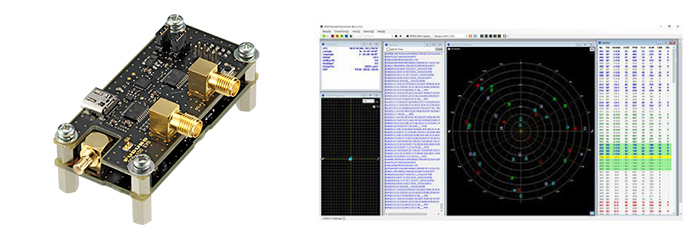
Output time pulse (1PPS) and clock from a SMA terminal.
Simple use by connecting the GNSS antenna and power supply
Connect a PC with a USB port to communicate with the kit.
Accessories: GNSS Antenna
White Papers
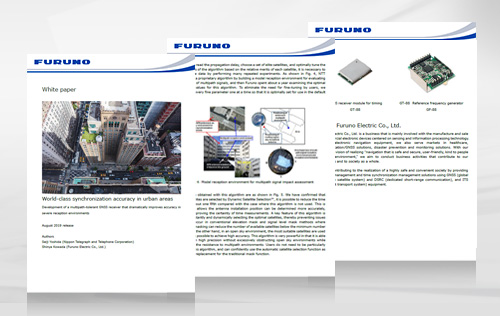
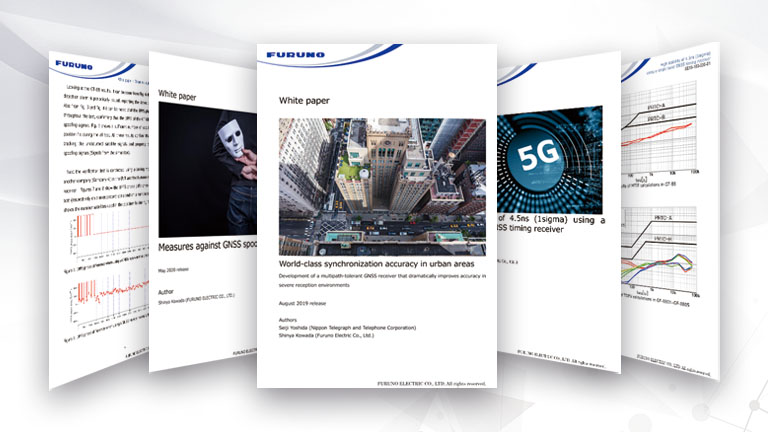
Countermeasure for GNSS receiver failure
Our engineer specializing in time synchronization explains, with charts and diagrams, the countermeasures to be taken on the receiver side against typical GNSS-related problems such as “multipath, "jamming", "spoofing", and interruption of GNSS signal reception, the degree of effectiveness, and how to select a GNSS product.
If this is your first time considering a GNSS receiver, please have a look through these papers.
You can download all five together with the white paper “High Stability of 4.5ns (1 sigma) using a single band GNSS timing receiver”.
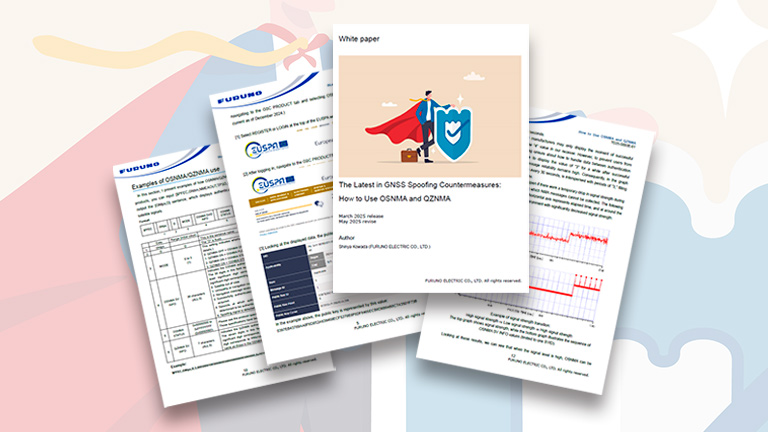
The Latest in GNSS Spoofing Countermeasures: How to Use OSNMA and QZNMA
In this white paper, a FURUNO engineer specializing in GNSS timing explains how OSNMA and QZNMA should be used in real-world applications, with practical insights provided in about 20 pages.
"What GNSS spoofing is and why it matters today"
"Key concepts of OSNMA and QZNMA"
"Operational considerations"
"How to use authentication functions in FURUNO GNSS receivers"
Quote Request

This is a quote form only for GNSS receivers for time synchronization.
For other contents, please contact us using the respective inquiry form.
Downloads
| Name | Last update |
|---|---|
| Sep 15, 2026 | |
| Sep 15, 2026 |
Inquiries about GNSS Products
- Specifications subject to change without notice.
GNSS for Time Sync Product List
Model
GT-100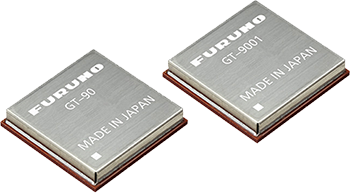
Model
GT-90/GT-9001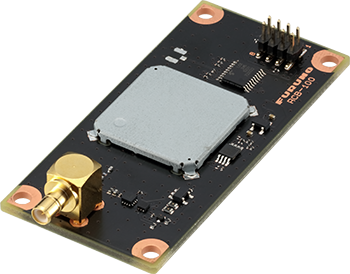
Model
RCB-100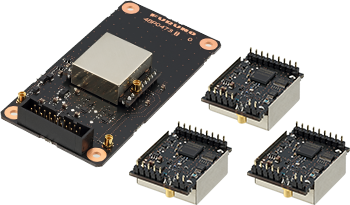
Model
GF-102/103/104/105G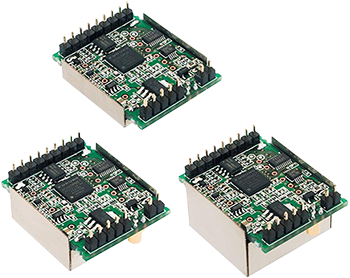
Model
GF-8801/02/03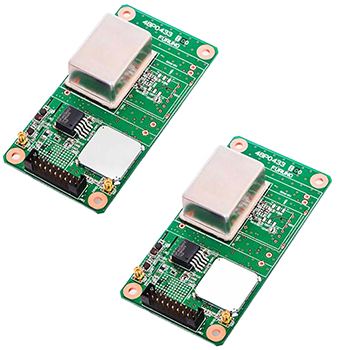
Model
GF-8804/05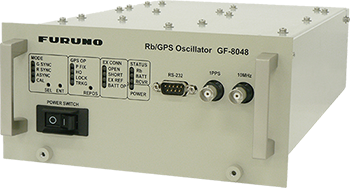
Model
GF-8048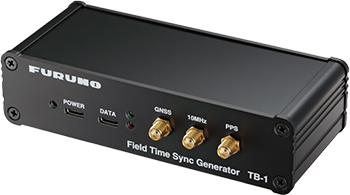
Model
TB-1